Posts Tagged ‘culture’

at least on lottery tickets.

Hit the market today before supper and I noticed that there was yet another new $10 ticket offered at the local store.

Even when I was working I would rarely buy a lottery ticket. One in a great while I’d spring for a $1 ticket for the wife saying: “Hey it’s a gift to my brothers if I lose” (both work for the state). A $5 ticket was out of the question and a $10 ticket represented just too much work. I couldn’t imagine people paying that kind of money in tough time.

As I was checking out I asked the kid who had been working there for a few years if people’s lottery habits had changed, he answered: “It varies” and the conversation went like this:

“Varies?”

“Yeah it depends on the customer, the ones who are working or just lost jobs have cut down or stopped buying tickets all together, but the customers on food stamps, the ones who aren’t supporting themselves are buying more, a lot more.”

“Why do you suppose that is?”

“Well the state is taking care of them so they figure why not?”

Where have I heard this before?

He is between a rock and a hard place. His expected work output has risen by a large percentage since we last worked together while his pay has dropped, yet he is in a spot where if he decides that it is too much for him there are 20 guys waiting to take that job from him.

It is not only the unemployed who have it tough during tough times. Those who have jobs are working harder for less with the fear of unemployment and all it entails hanging over them, plus they are paying the taxes to support the help that we who are unemployed get.

I noted yesterday the complaints online about the delay in unemployment extension. When we forget who is paying for all of this we become a society unrecognizable to our ancestors who came here with nothing.

In Ayaan Hirsi Ali’s new book Nomad she writes about how she was granted 1200 Dutch Guilders (this was before the Dutch switched to the Euro) a month AND a loan of 4000, guilders more that was paid back by withholding 100 guilders a month from the 1200. Thus as a refugee she got 5200 guilders up front and a further 1100 a month (plus housing). She talks about how many people who were granted the same loan ended up sending it back to Africa or the middle east to pay smugglers to bring in more of the family to start the cycle again. All paid for by the Dutch taxpayer. As she puts it on page 177:

Practically everyone I knew had built up overwhelming debts. They applied for credit cards, magical pieces of plastic that meant you could just sign a tiny piece of paper and walk out of any shop with whatever you wanted. They received endless stipends from the social services–for unemployment, for child support, for various medical benefits–and yet in almost every conversation they would lament the miserly amount of money they had to live on , wholly oblivious to the sacrifice of the society that was paying for it all.

They had no idea, in other words, of the obligations of a citizen, let alone the complexities of the welfare state.

Many of the people who she is describing had be raised in tribal cultures. They neither knew of nor understood the basic financial concepts they were dealing with. She herself didn’t know what a savings account or a loan was. We however were born here and have not only education but access to a greater source of knowledge on demand than the kings and presidents of old did. We have no excuse.

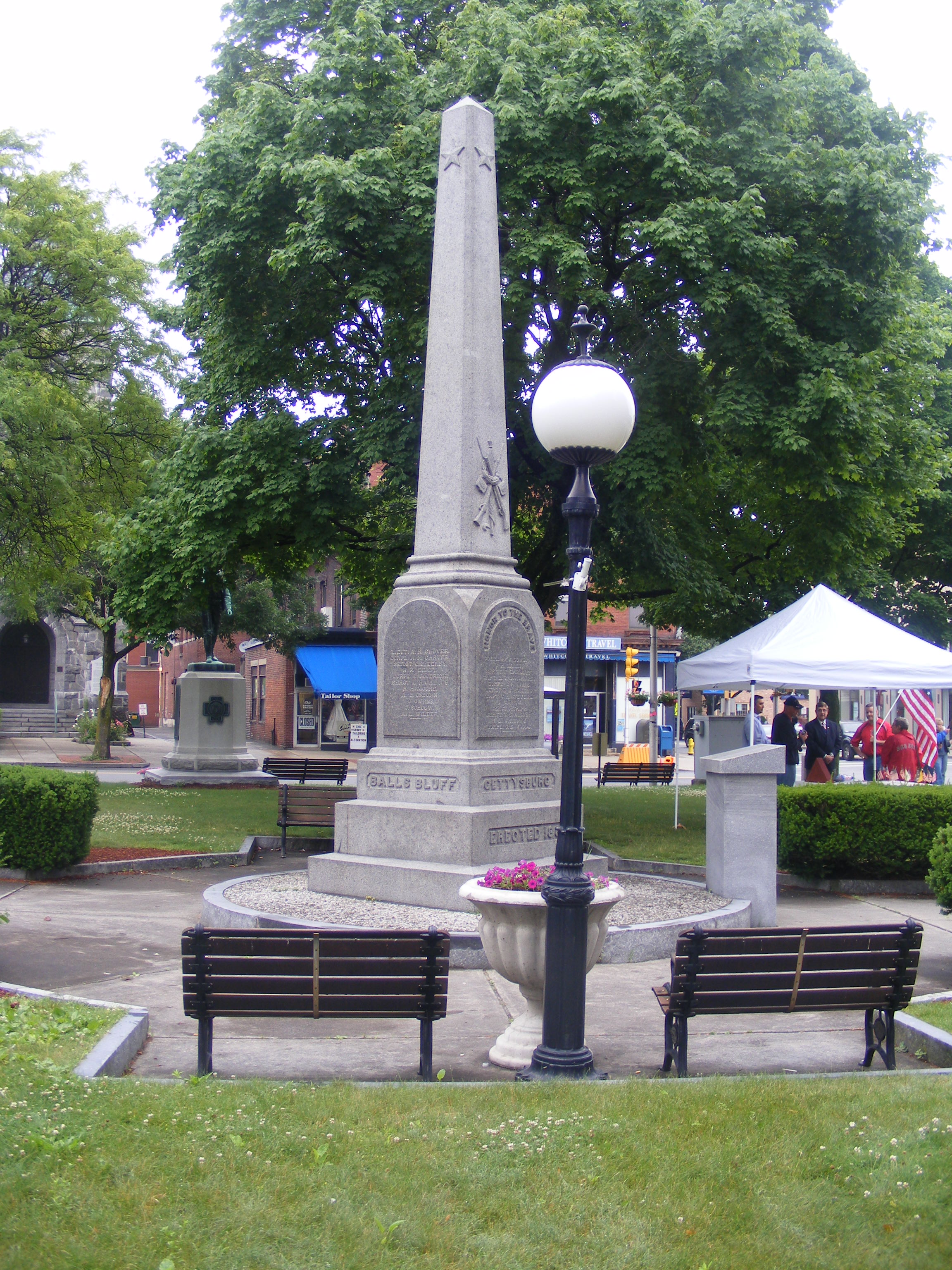
Civil War Monument at Monument Square

When I attended and covered the Twin City Flag day event in Monument Square in Leominster something that I had thought of a few days a go struck me.

If you do any amount of driving in Massachusetts and New Hampshire it is totally impossible to pass through any city or small town without seeing monuments to civil war vets or any others for that matter. In Fitchburg for example we have monuments to Civil War vets, Spanish American War Vets, WW 1 vets, WW 2 vets and Vietnam vets.

WW 2 Monument in Fitchburg

I spent a week in Georgia, I drove through many towns, other than the large Stone Mountain Memorial I didn’t see a single statue in a single square. Not one, zip zero nada. The only marker of any type I saw was a marker for the grave of unknown confederate dead at a cemetery as I passed in Stone Mountain

Unknown confederate dead at Stone Mountain

Now I presume that the people of Georgia once they were done rebuilding from General Sherman’s war, found the funds to put up some kind of monuments in towns etc. Am I wrong about this or were the monuments once there removed for the sake of better relations once the political winds changed? Was a compromise reached where monuments at graveside and significant historical ones such as Stone Mountain would stay and the rest go? I have no idea

I’m sure something like that must be the case, but it just struck me as odd. Does anyone out there know for sure?

The neighborhood had changed over the years.

Decades ago it was an Italian neighborhood. Everybody knew everyone else. Neighbors knew each other and their families. A lady talked to me about the house at 39 Waverly ave. Her sister in law had once owned it and decades ago she had babysat in the house for family.

Today it was a neighborhood of absentee landlords. A mixed neighborhood of many different ethnic types. People pretty much kept to themselves. In the Elderly public housing the employees came and went never taking any note of the house next door. Nor did the tenants who lived in the 162 units inside. People came and went without a hello or even a nod to acknowledge the other.

It was much the same as it was in many neighborhoods all across the state and country. People remaining in their houses, children spending their time on the video games. It was not unusual, in fact even as it changed it remained just an average neighborhood.
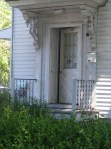
Just another house

As for the house as 39 Waverly Ave; as time passed the people inside became less and less known till finally the various people living inside where not known

And so it went for years people came in and out of the house at 39 Waverly and over the course of time people noticed families no longer there, simply a moving van showing up on occasion and young men coming in and out.

Up to the very last day people took no notice at all while things of a secret nature took place. It was as one resident put it the perfect place to hide. Nobody noticed anything. At least almost nobody.

There was a woman living in the projects who had a son in government service, as she walked though the neighborhood she noticed things, little things that she saw in her son, things that nobody else noticed and she realized that soon the neighborhood would shortly become not just another part of town.

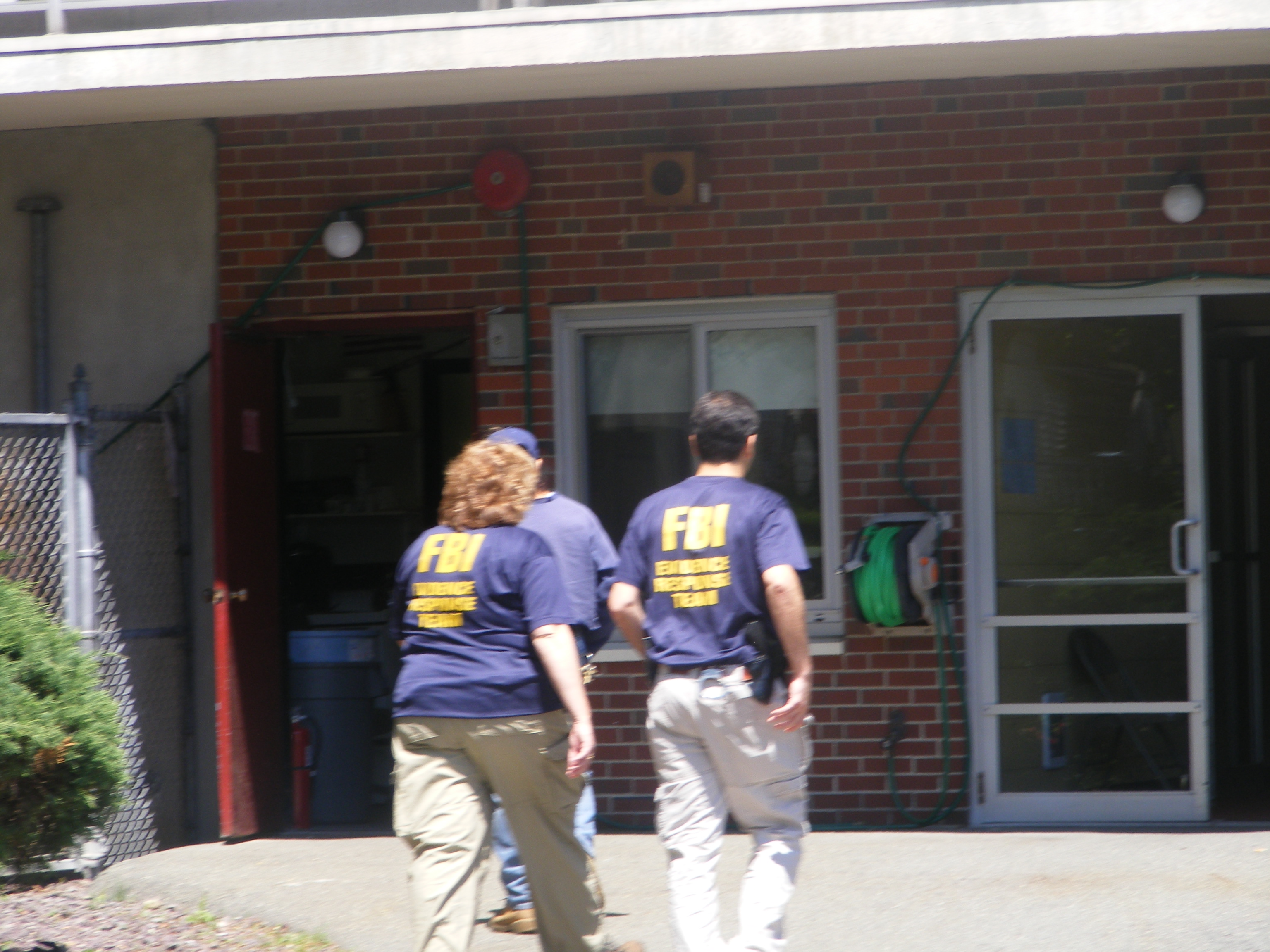
On Thursday morning they came out in the open, the agents, the choppers, the weapons. They poured into the house and 39 Waverly Ave to find both their target and information that would hopefully help them to honor their oaths to protect the people that they served.

And at that point, the people in the neighborhood, people all around the blocks who had not known or talked much to their neighbors came out. They watched the agents enter and leave the house over and over. They watched the local police control the traffic that poured by, they saw the media, the local networks, the national networks and even a plump blogger in a fedora descend upon them armed with microphone, camera and notebook. Some faces that they had seen on their television a thousand times, others they had never seen before in their lives.

They asked questions over and over again, they took reams of films, they set themselves up all over the neighborhood and struck their poses before their camera as the authorities continued their task.

More than all of this, the agents, and the reporters, the people came out and saw each other. They stood together and talked. They spoke of how they heard the choppers, they talked of the reporters that hung on their every word, and they talked of how the city and the neighborhood had changed in all the years they had been there.

They did all those things that neighbors do, all those things that were once done in a neighborhood where everybody knew everyone else. As the commotion died down and the press started to leave, it only remains to be seen if the unity and community created by their common experience would carry on beyond the Thursday when the War on Terror came to Waverly Street.