

Archive for the ‘business’ Category

So today’s headline: Toyota suspends donations to Republicans that questioned election results.

My response:
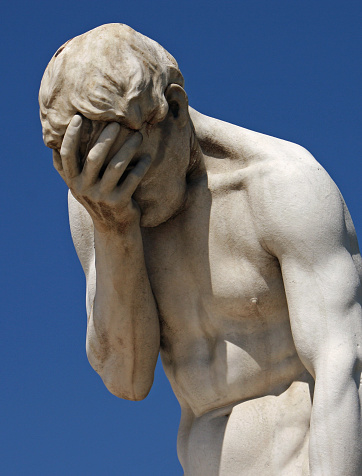
This will not end well.

Now, I already own two Toyota vehicles, and I like them because they drive well and just…work. I’m not boycotting Toyota anytime soon. But, I know what I am doing:

  1. I’m writing a letter to Toyota to point out their hypocrisy over this.
  2. I’m writing to my Representative (a Republican) to express my dismay.

Boycotting big corporations isn’t going to work long term, because at some point we will run out of places to do business. Instead, conservatives need to become increasingly vocal in these companies and remind them that nobody likes it when they pick sides arbitrarily. Toyota seems to think that going woke will appease the crowd.

Nope.

Going woke means going broke. If you’re a Toyota vehicle owner, you need to be really loud in your disapproval of their position. Let them know that you have choices for future vehicle purchases, and if they continue down this path, you’ll buy a Tesla instead. Plus, you can shift your car maintenance to another facility, which will deprive them of revenue in the long term. Remind them of that fact.

If you’re a stock owner, let them know your vote is now a solid ‘NO’ for anyone on the board. In fact, write a letter to each and every board member, reminding them that your vote matters. Most shareholders don’t show up for shareholder meetings, so even a tiny number of shareholders can have a decent influence on a company. Tell them that instead of selling stock, you’re going to hang onto your stock and vote them out of their office. If you’re feeling really saucy, remind them of the fact you follow voter ID laws to cast your shareholder votes, unlike some other people…

Congressmen and women need to remind large businesses that their employees are in many cases Republicans that questioned the stolen election. Looking at the Toyota USA plants, many are located in regions where Republicans win majorities. Hmmm, wouldn’t it be bad if Toyota employees and their representatives suddenly had “issues” at a plant? Maybe lots of employees should just not show up to work one day? Maybe all the kindness showed to big business when it comes to tax cuts and audits magically vaporizes?

Yes, these tactics sound scummy. I’d prefer to just leave businesses alone. But we are running out of options quickly. If conservatives don’t stand up and remind business that they have a voice too, then business will continue to toe whatever dumb line liberals draw on the ground. Boycotting is ceding ground. Do we want to be backed into a corner where we can’t use any business because we boycott everyone? That’s a loser strategy. We should instead stand our ground and remind Toyota that conservatives drive cars too.

This post represents the views of the author and not those of the Department of Defense, Department of the Navy, or any other government agency.

The gas cans in my garage, well before the Colonial Pipeline hack

When I first heard about the ransomware hack of the Colonial Pipeline, it popped up in my cyber news feed. After a bit of research, in which I realized quickly that my area of the world would run out of gasoline, my wife and I each filled up our vehicles and minimized travel during the week. We watched on the GasBuddy app as station after station ran out of gasoline, with the typical hoarders filling up gas cans like you see above. Luckily, the shortage is essentially over now and life is returning to normal.

My cans were full long before the gas shortage. I have a tractor, wood splitter and wood chipper, all of which required gasoline to run. They will run on regular gasoline, however, I have found that the ethanol in regular gasoline breaks down and damages small engines, particularly the carburetors, so I switched to using ethanol-free fuel. Since the only place that sells ethanol-free fuel near me is out in farm country, I fill up a lot of cans to make the trip worth it.

Probably the largest benefit to ethanol-free fuel is storage. I can easily store fuel for a year without it breaking down. At best with ethanol fuel, you’re looking at 30 days at most. When I saw the gas hoarders filling up, my hope is they realize that gas won’t be good by the end of the month. It’ll sort of still work in your car, but unless you add a stabilizer, it’s going to have water in it.

Which brings up a really good point: why on earth are we still using ethanol? Ethanol has some cleaning benefits for gasoline, in that is dissolves things that gasoline cannot, but with most gasolines having detergents in them anyways, the benefit is pretty minimal. Worse still, ethanol increases deposits on injectors and other components. It gives you plenty of problems, but hasn’t done much to reduce emissions nor wean us off Middle East Oil (only Trump policies do the latter).

Before someone chimes in with “Just use electric!”, let’s point out some flaws. Nobody makes a battery powered wood splitter or wood chipper. While we’re going back to electric garden tractors, they are still pretty pricey. The power in battery tools, while impressive, is not quite there yet. I have an electric and gas chainsaw, and if I’m cutting something over a foot in diameter, the gas chainsaw wins hands down. I have switched over to an electric weed whipper and pole saw, and they are both great. I bet in 5 years that electric outdoor tools will become the norm, but for now, if you need something powerful, you still need a gasoline engine.

If everyone had a 5 gallon gas can with ethanol-free gas, short term disruptions at the pump would cause less hysteria. You can’t do that with E10 gas unless you religiously use that fuel up and refill every month. By continuing to use ethanol, we continue to damage our engines and make us more susceptible to disruptions for little to no environmental gain. Perhaps as we recover from this gasoline shortage, someone will start asking the hard questions about why we’re handicapping ourselves.

This post represents the views of the author and not those of the Department of Defense, Department of the Navy, or any other government agency.

Today I have some free time so it’s time for another spontaneous livestream

You can watch here

Topics will include

  1. The Civil war that you don’t want (or why people don’t understand why this is a bad thing.
  2. The Cold Civil war and what it means
  3. Cui Bono from the Biden Administration
  4. Stalling stalling stalling
  5. Reaping meeting sowing on police protection for Democrat cities

It will all start around 9:40 AM EST hope to see you here

Most Americans are going to get a small influx of money in the next 60 days, due to two separate events. First, the 1.9 trillion dollar COVID-19 bill that is 90% about bailing out Democrat-supporting regions of the country will include some sort of stimulus checks, likely the $1400 per individual. Also, most people are filing their taxes between now and April, and most Americans will get some sort of refund on their taxes.

The thing is, most of this money gets spent without thinking about future consequences. The local used car dealerships always run “sales” this time of year that mention tax returns, and I’m seeing “stimulus check” sales advertisements popping up now. Yet we’re not going into happy times anytime soon. If you watch the stock market and references by the Fed that indicate inflation is going to come roaring back should give us pause.

If you’re not one to care about the Fed, then look more locally. Wood prices at Lowes and Home Depot are well double what they were a year ago, between the boom in home building due to low interest rates and COVID-19 shutting down the lumber mills for a time. Gas is more expensive now. I’ve had more Amazon packages getting delivered late than ever before. Stores are still running out of basic items, and while this is infrequent now, remember that is essentially never happened in the past.

All this indicates we’re in for a bumpy ride for at least two years, if not four. I’m not going to get caught unprepared for this, and you shouldn’t either. I suggest you prioritize spending this way:

  1. Debt. Get rid of any debt you can. Car almost paid off? Pay it off now. Credit card debts? Pay them off or work a forgiveness plan, an especially good idea now since card companies are also taking advantage of low interest rates.
    I would also refinance your house if you haven’t done so. Most people can’t simply pay off their mortgage, but you can make a principle payment to pay it off earlier, and shifting to bi-weekly payments (if your company allows you to) will cut years off the back end.
  2. Build up supplies. COVID-19 taught us that everything from toilet paper to sweet potatoes will be in short supply. It’s going to happen again. Rather than fight lines at a store, build up a 1-3 month supply of basics that don’t really ever go bad: bottled water, paper products, disposable eating utensils, soap and cleaning supplies. You should also keep about 2 weeks of meals in reserve. I have things like spaghetti and frozen foods that can keep for a long time just hanging out. They occasionally save me when dinner decides to catch on fire, and when the stores were swamped in the initial stages of pandemic, this food let me stretch our groceries further.
  3. Fix what you can. Americans are pretty handy people, but we also can be lazy. Plenty of homes and vehicles have little things that need repair. Get those done now. Don’t wait forever on car maintenance. The pandemic backed our local dealership up by a month for appointments. Same goes for home maintenance, even if you do it yourself, you may not get the supplies when people buy out the stores.
  4. Set your investing on automatic. Unless you’re smart on the stock market, you’re best off making long term investments on mutual funds. Whatever your investing strategy, put it on automatic through automatic funds transfers and investments. Too many people get scared when the market comes down and sell, which is the worst time to do that. Putting it on cruise control helps you take advantage of the down market over time.
  5. Build up your local network. This may not cost much money, but its critical. Do you know your neighbors? Do you know a local electrician, plumber, car mechanic and veterinarian? Remember how even routine house calls for minor issues became a major problem in the pandemic? You avoid this by knowing local people. Now is the time to get to know them and be on good terms, so when you need their help in a pinch, you can get it.

Don’t throw your stimulus to the wind! Set yourself up now to get through the trying times ahead.

This post represents the views of the author and not those of the Department of Defense, Department of the Navy, or any other government agency.