


This is Sal’s Pizza in Fitchburg, part of the Sal’s pizza franchise. It is owned by two local guys Frank and Ken.

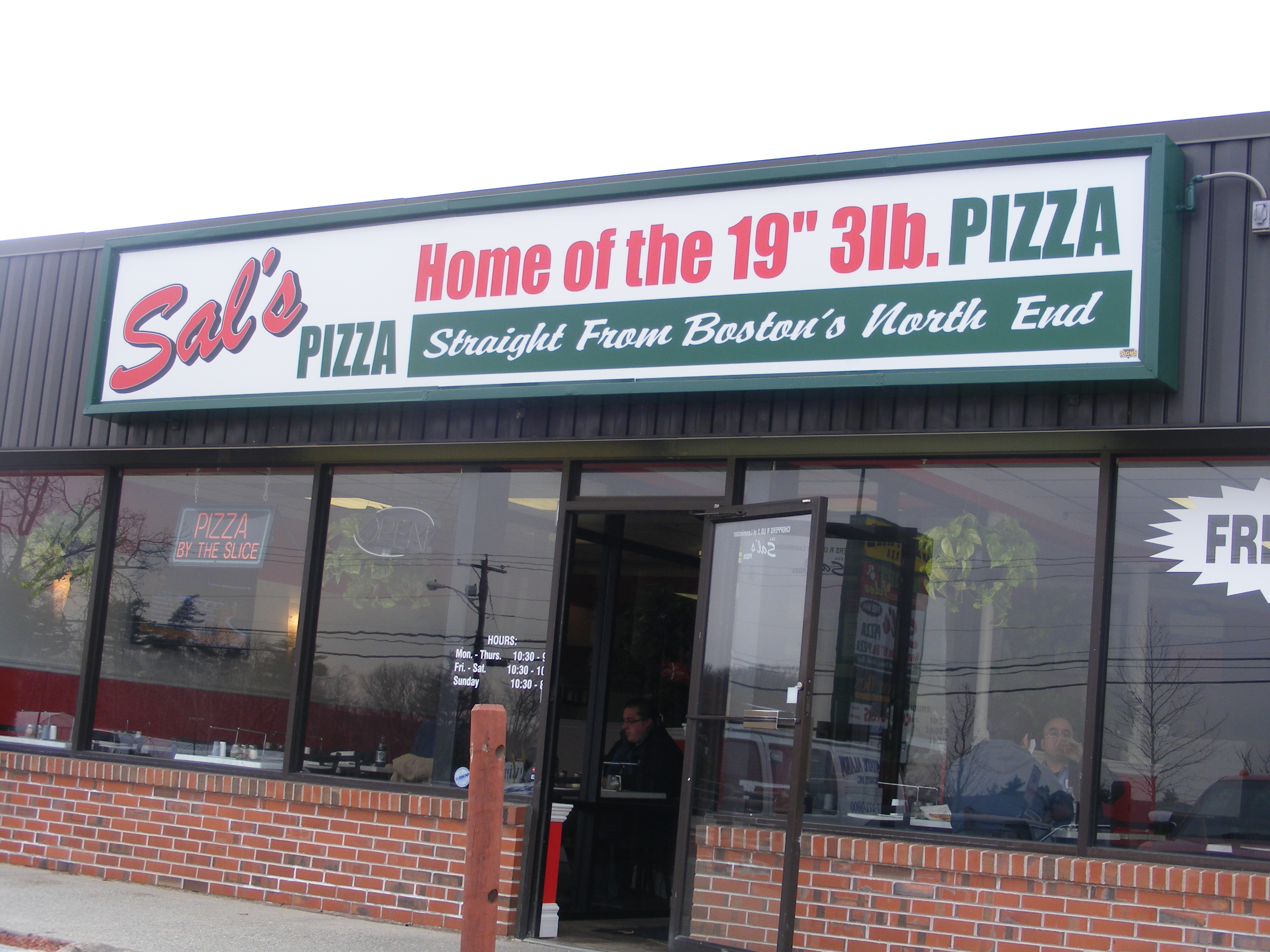
This is Sal’s Pizza in Leominster, the city next to Fitchburg, part of the same franchise and owned by the same local men.
These is a Pizza from Sal’s in Fitchburg. Looks good

This is Pizza from Sal’s Pizza in Leominster. Looks just as good.

The pizza is cooked the same way using the same ingredients and sells for the same price in both Cities. Here is how you make a Sal’s Pizza from the Start…
What is the difference?
In Leominster the electric bill comes from National Grid. When the bill comes in Frank & Ken pay it as part of his cost of doing business.
In Fitchburg the electric bill comes from Unitil. Although there is less machinery in Fitchburg and the leave less lights on at night, the bill is on average $800 higher a month. Since the pizza price is the same they eat the price difference so you don’t have to pay it.
This is a house in sight of Sal’s in Fitchburg right over the city line. If Frank and Ken close their Fitchburg Location and move their business next door to that house, they will instantly save $10,000 a year.
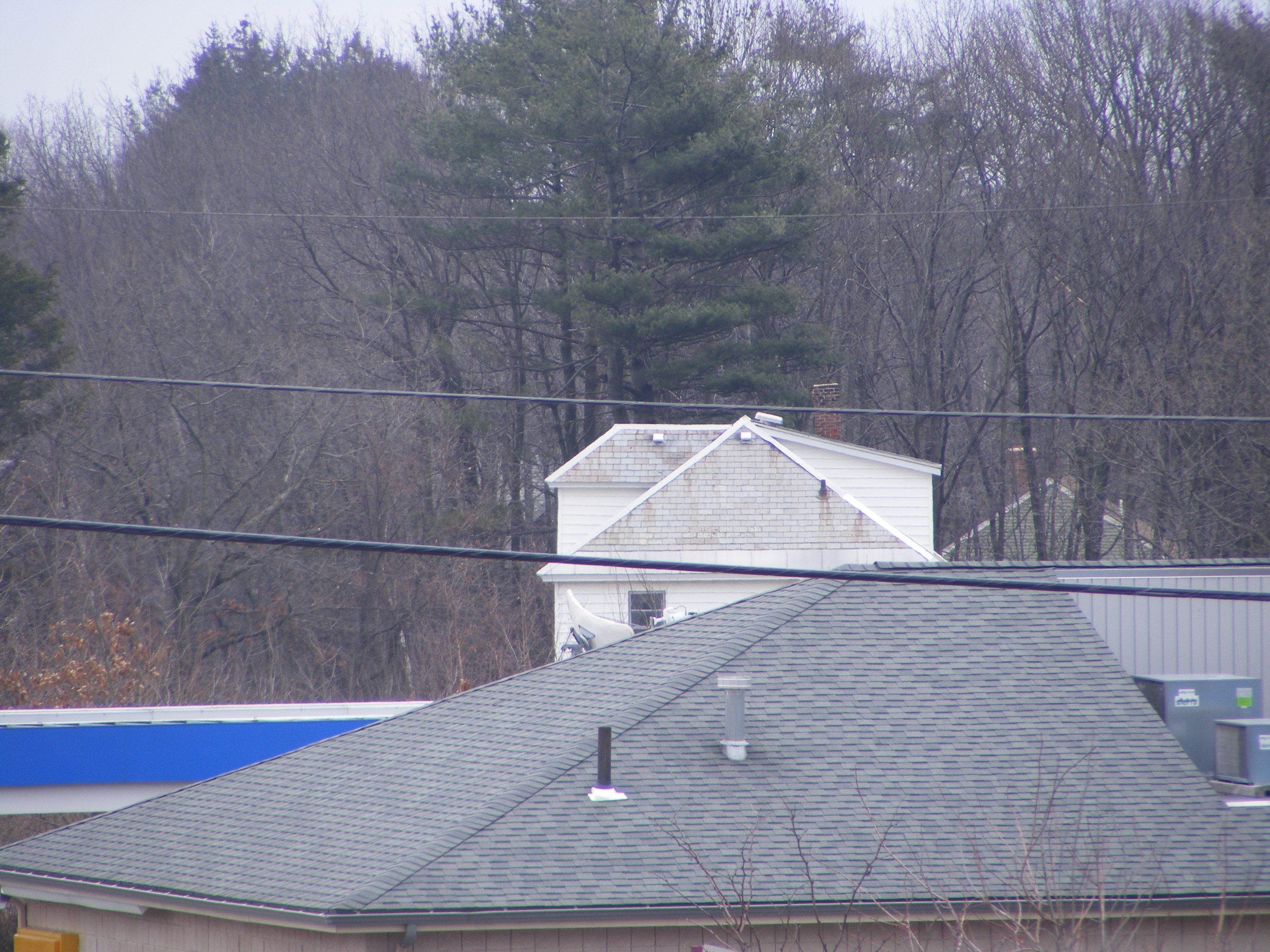
Not even 100 yards away
I would be very interested in having any person in Fitchburg’s city government or at Unitil explain to me why any sane person would consider opening on the Fitchburg side of the line when this is true. I would also like to know why back when Fitchburg Gas and Electric was our utility, this was not the case.
I’m all ears guys.
 Da Techguy's (no longer backup) Blog
That pizza looks wonderful…I need to go eat breakfast now.
I bet anyone who takes prescription drugs and lives on the border with Canada has the same question. Except in that case, the consumer eats the cost, not the company.
Not sure how the relevant laws work in Massachusetts, but down here the city would see that lost revenue stream and recover it by forcibly annexing that extra hundred yards into the city limits and get that $10k back into the city coffers. Needless to say, city annexation is a hot-button issue around these parts.
DaHospitalGuy: except anyone living on the Canadian border isn’t paying Canadian tax rates, nor having their other health care rationed as it is in Canadian hospitals. (There’s a reason why Labrador just sent one of its big politicians down to America for hospital work: it’s better than up there!)
On to the substance: the explanation falls under the “you don’t really want to know” category. Utilities, believe it or not, are absurdly regulated, but there is always a guaranteed rate of return (usually about 4%) in exchange for meeting all of the electric needs of the residents. So, even in the same state, a utility could charge a higher rate because of higher capital costs, buy-back requirements (such as purchasing electricity that private homeowners make via solar power, which is much more expensive than conventional power), or because of requirements that a certain percentage of its power come from renewable energy.